🌍 African Superfoods Hold Ancient Power
Baobab. Okra. Sorghum. Blackjack. Maheu. These traditional African foods kept our ancestors thriving for millennia. Now science is catching up.
Baobab. Okra. Sorghum. Blackjack. Maheu. These traditional African foods kept our ancestors thriving for millennia. Now science is catching up.
Africa is the cradle of humanity — and its foods are the cradle of human health. For thousands of years, African communities thrived on foods that modern science is only now beginning to understand. These aren't exotic superfoods from a health food store. They're the foods your grandmother grew in her garden.
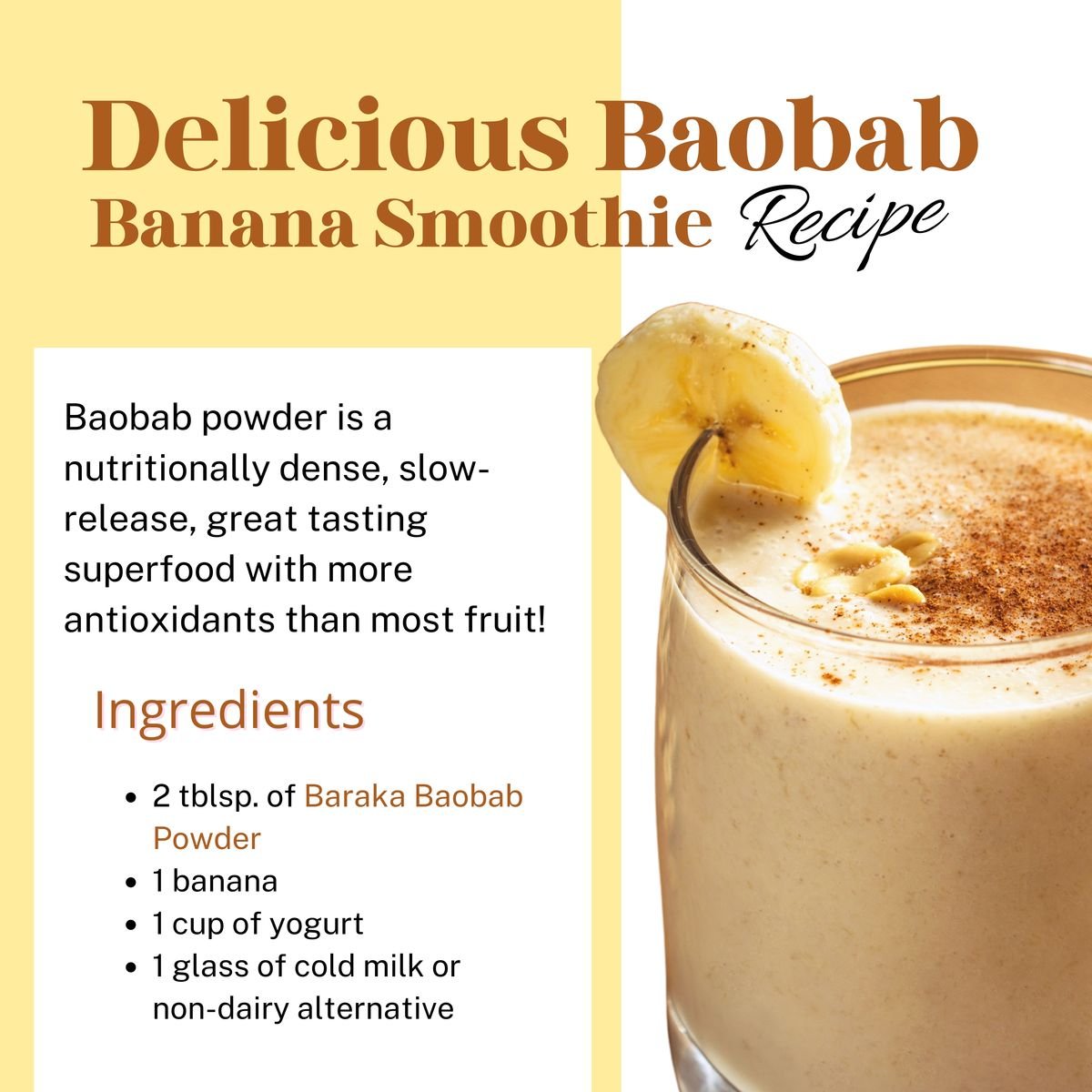
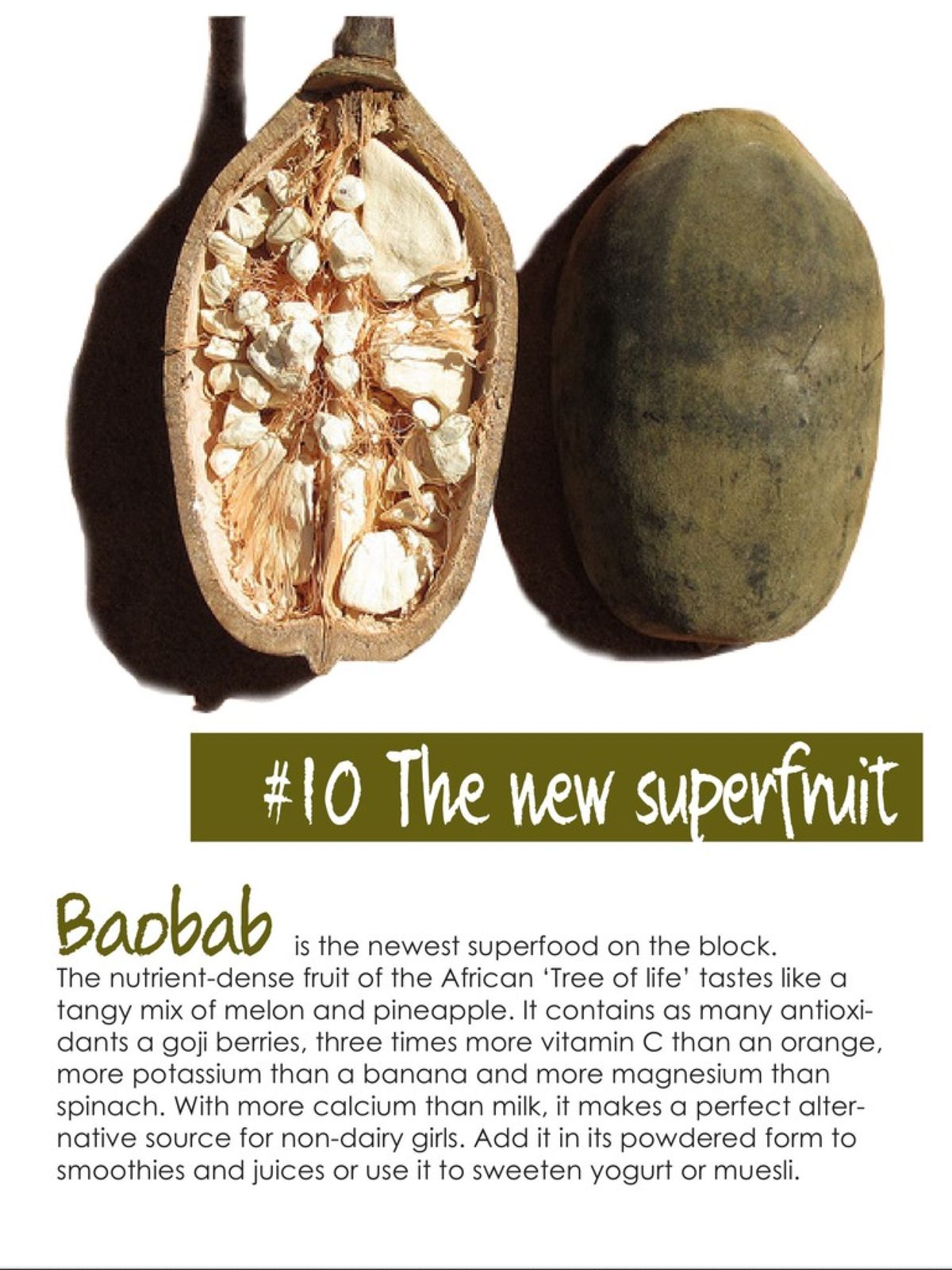
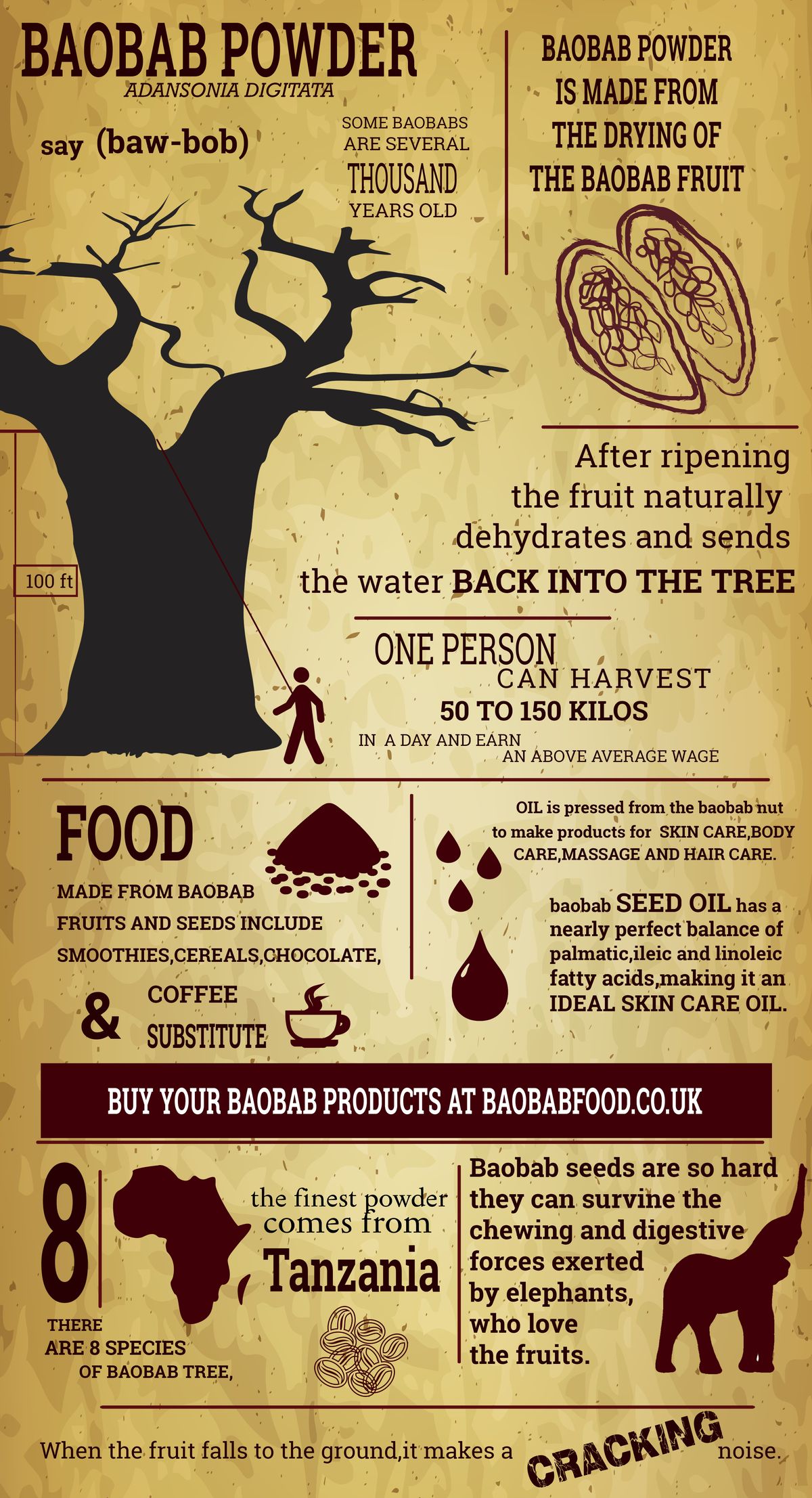
The Tree of Life. Its fruit pulp contains 6x more vitamin C than oranges and is one of the richest sources of pectin on Earth — the preferred fuel of Bifidobacteria, your most important gut bacteria.
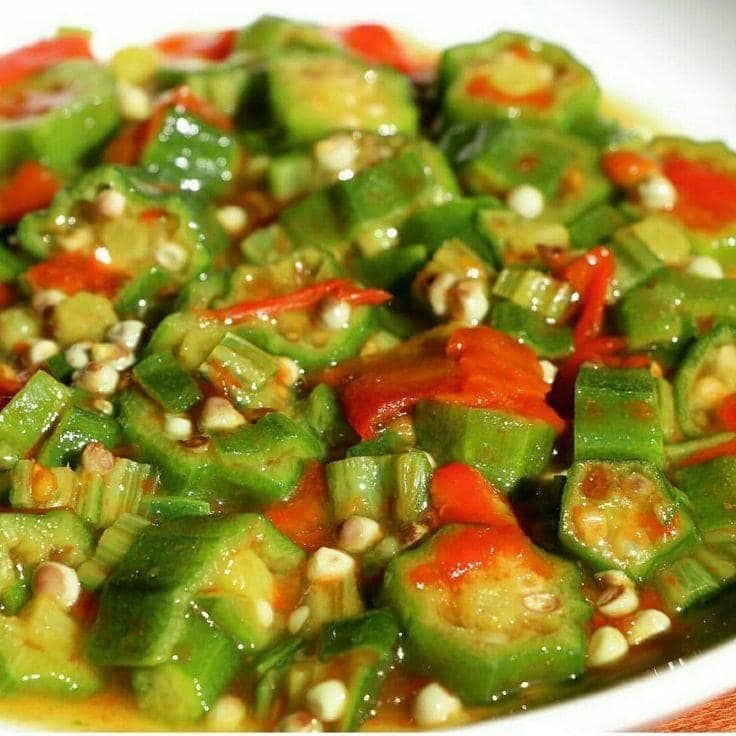
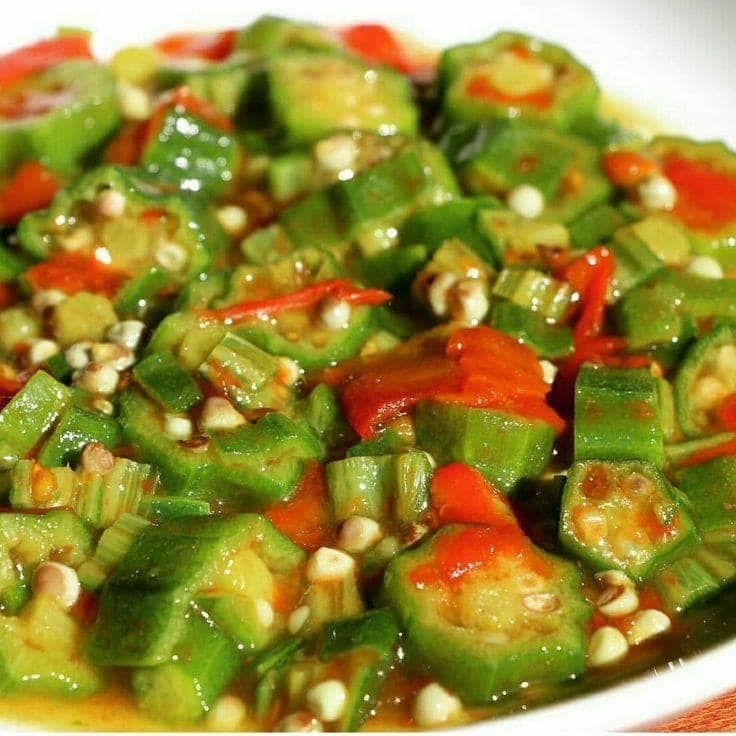
The Slimy Shield. That "slime" is mucilage — a gel-like fiber that coats and heals the gut lining. It's nature's bandage for your intestines. Rich in prebiotic fiber that feeds beneficial bacteria.
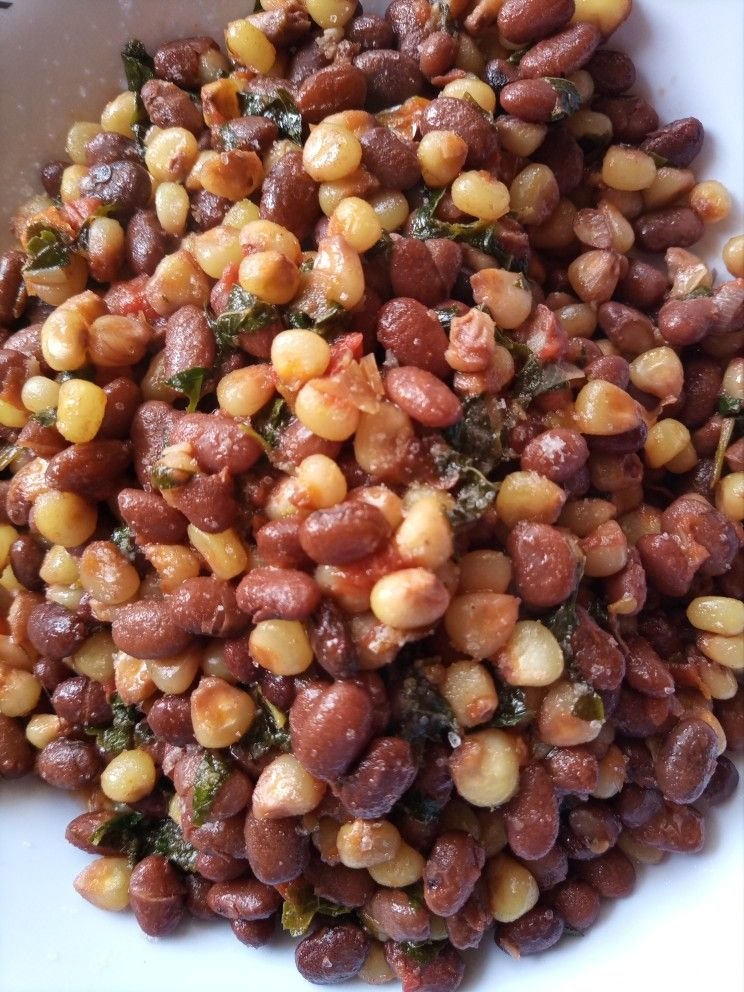
The Butyrate Factory. Sorghum is rich in resistant starch that produces butyrate — the primary fuel for colon cells. Butyrate seals the gut lining, reduces inflammation, and protects against colon cancer.
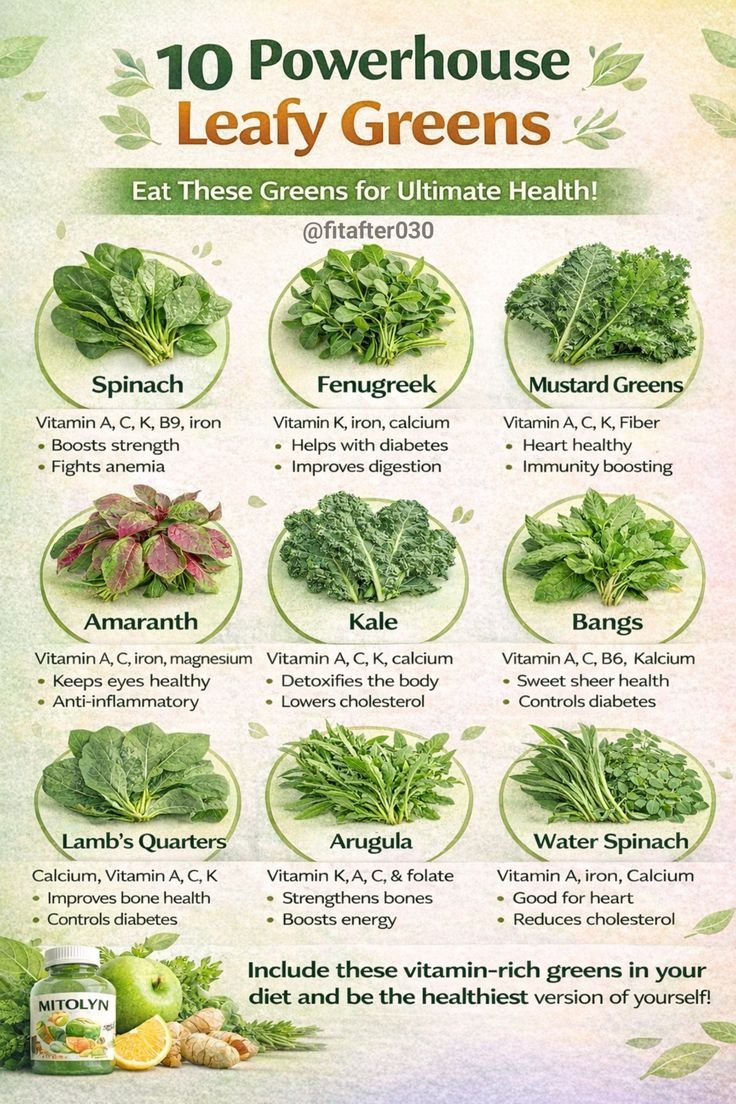
The Pathogen Patrol. Bitter greens that naturally keep harmful bacteria in check. Rich in polyphenols and antimicrobial compounds. Your ancestors ate these daily — and they didn't have antibiotics.
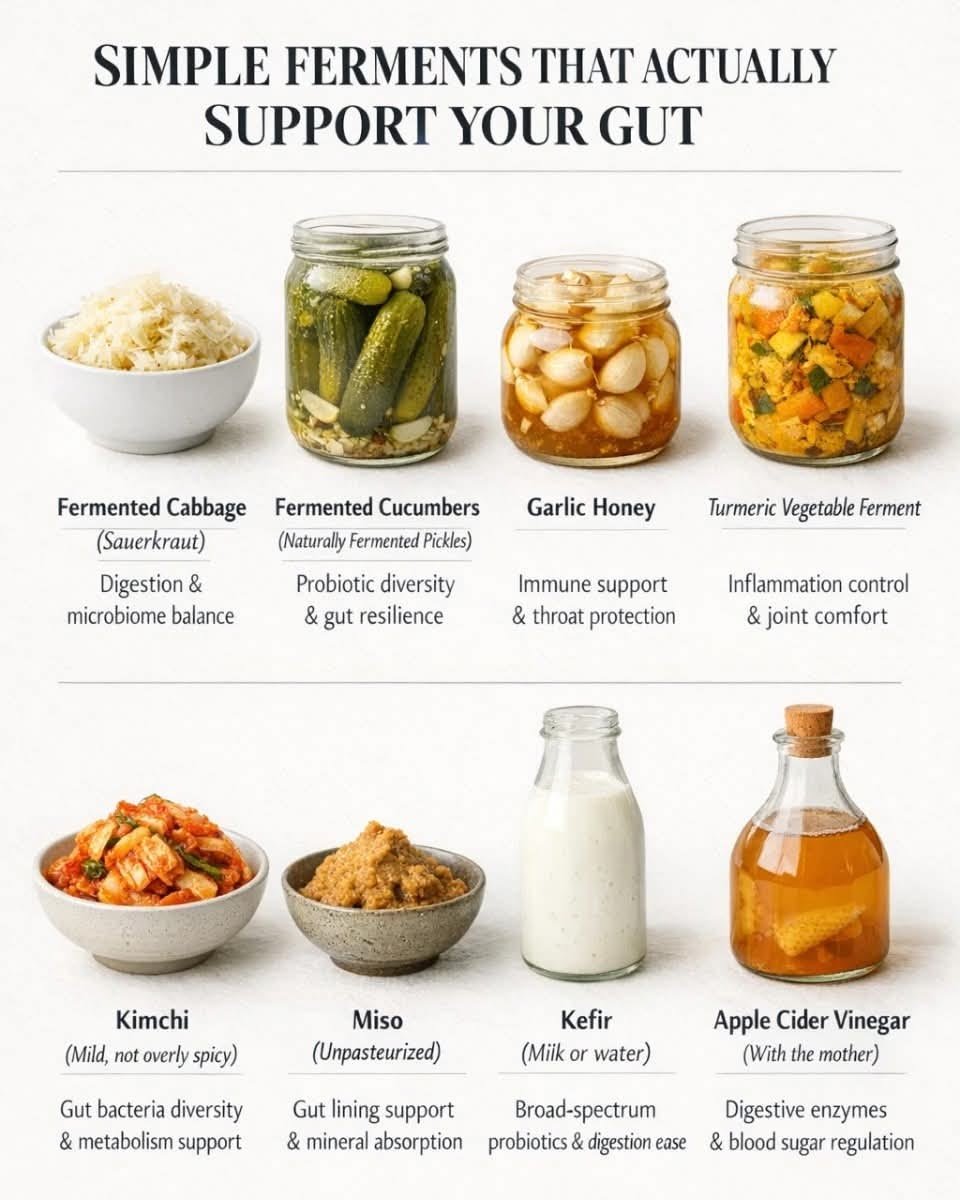
Zimbabwe's Original Probiotic. Fermented sorghum drink rich in Lactobacillus bacteria. Every traditional Zimbabwean household made maheu. It's a living food that seeds your gut with beneficial bacteria.
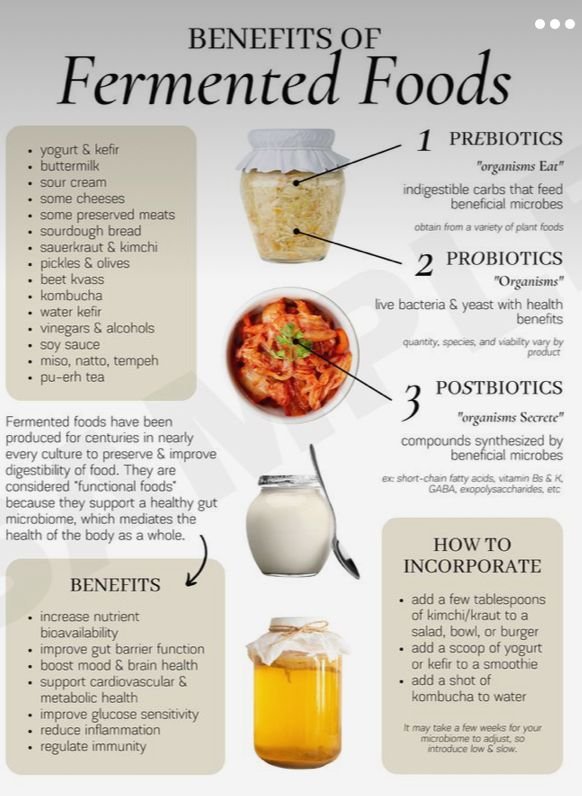
The Ancestral Probiotic. Fermented milk with diverse bacterial strains. Unlike commercial yogurt, amasi is made with traditional cultures passed down through generations — each family's unique microbial fingerprint.
A 2022 study in Nutrients found that baobab fruit pulp significantly increased Bifidobacteria populations in human subjects within 4 weeks. Okra mucilage has been shown to reduce intestinal inflammation in multiple animal studies. Sorghum's resistant starch produces more butyrate than any other common grain.
The pattern is clear: African traditional foods are not just food — they are medicine. And they've been medicine for thousands of years, long before pharmaceutical companies existed.
Modern diets have destroyed the microbial diversity that traditional African diets maintained. The average Westerner eats 10-15 different plant foods per week. Traditional African diets included 50+. This diversity is what feeds a diverse microbiome.
When we abandoned traditional foods, we abandoned traditional health. The chronic disease epidemic in Africa — diabetes, heart disease, obesity — is directly correlated with the adoption of Western processed foods and the abandonment of traditional diets.
African grandmothers didn't need microbiome research to know that baobab heals the gut, okra soothes the intestines, and fermented foods keep you strong. They knew because they practiced it. Science is now validating what African tradition has always taught. Return to these foods and you return to the health your ancestors enjoyed.
Get the complete African superfood guide in "The Eden Protocol". Get the book →